The colors used in interior design are one of the most important factors that determine the atmosphere and mood. While colors reflect the character and style of the space, the right choice of color provides aesthetics and harmony in interiors. Here is a guide to consider for the use of color in interiors:
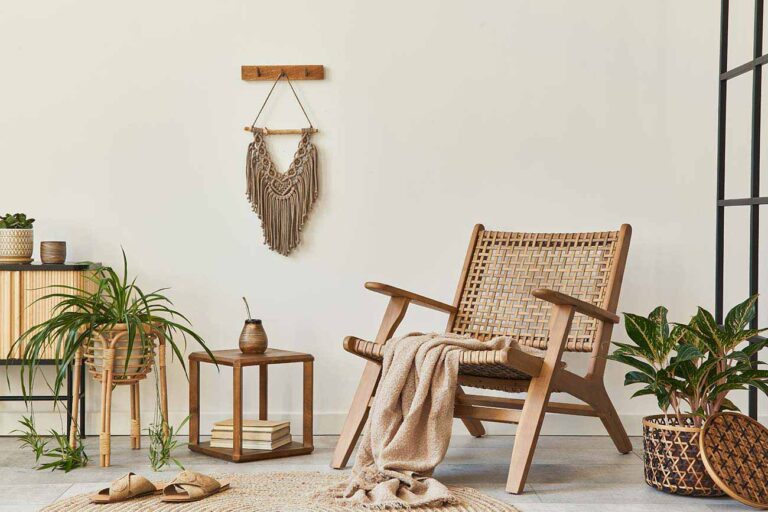
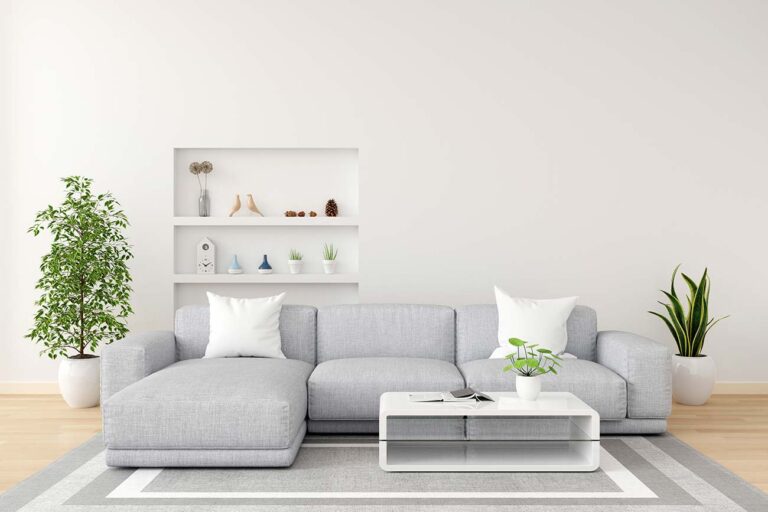
1. Neutral Colors: Neutral colors such as white, beige and gray are safe and popular choices for interiors. Neutral colors add a fresh atmosphere to the space and blend easily with other colors.
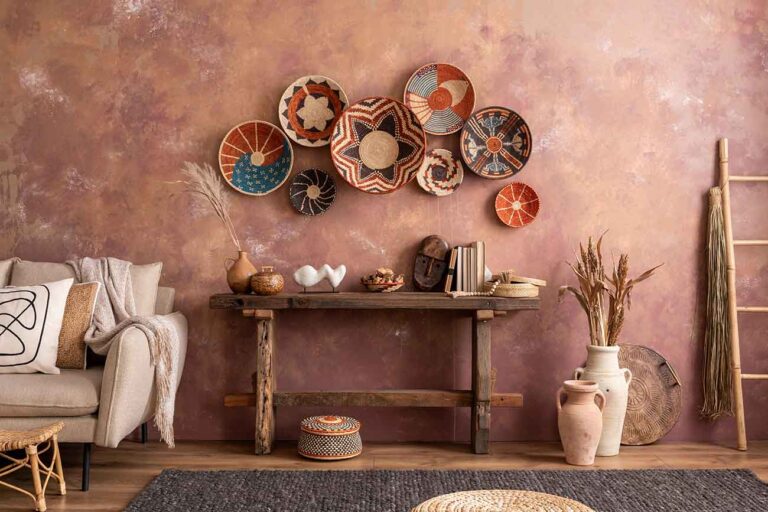
2. Vibrant and Bold Colors: Using bold colors in the interior in the right way can revive the character of the space. Using vibrant colors, especially in accessories and details, can be effective in adding energy and mobility to the space.
3. Color Harmonies: When bringing colors together, pay attention to the color wheel and color harmonies. Complementary colors (colors that complement each other) and monochromatic color schemes provide a harmonious look in interiors.
4. Natural Colors: Nature-inspired colors (such as green, blue, brown) add a natural atmosphere to interiors. By using these colors in the right way, you can create a calm and peaceful space.
5. Color Emphasis: Emphasizing a single color tone in the interior creates a focal point in the space. For example, you can accentuate by painting a wall with a different color or using a vibrant color in a decorative object.
6. Lighting and Color: Colors are affected by the lighting in the space. Natural light or artificial light can change the shades of colors and the atmosphere. The choice of lighting is important in determining how colors will appear in the space.
7. Paint Experiments: Before choosing a color, experiment with a small section of paint to see how it looks. The effect of colors can change under different lighting conditions, so examine the paint under natural and artificial light.
8. Color Psychology: It is important to remember that colors affect our mood and behavior. For example, blue brings peace, while yellow adds energy and joy. Choosing the appropriate color for the purpose of the space will support the use of the interior.
9. Balance of Natural and Artificial Colors: In addition to natural colors, add color with furniture and accessories. In this way, you can create a balanced combination between natural and artificial colors while enlivening the space.
10. Personal Tastes: Color choices should be based on personal taste. Feel free to use your favorite colors to express yourself and feel good in your interior.
Remember, colors in interior design determine the character and mood of the space. With the right color choice, you can make your interiors more aesthetic and enjoyable. Use the color guide to enrich your space and create a warm and inviting space that reflects your personal style.